
Cricket isn’t just a sport anymore. It’s a full-blown financial ecosystem. And if you’ve ever wondered who sits at the very top of that ecosystem — who holds the bat and the balance sheet — you’re in the right place.
The question “who is the richest cricketer in the world” gets typed into Google thousands of times every single day. Fans want to know. Aspiring players want inspiration. And honestly? The numbers are staggering enough to surprise almost anyone. We’re talking hundreds of millions of dollars built not just through match fees, but through brand empires, startup equity, franchise ownership, and generational business moves.
So let’s get into it — no padding, no vague figures. Just the real rankings, the real money, and the real stories behind how cricket’s wealthiest icons built their fortunes.
Who is the Richest Cricketer in the World in 2026?
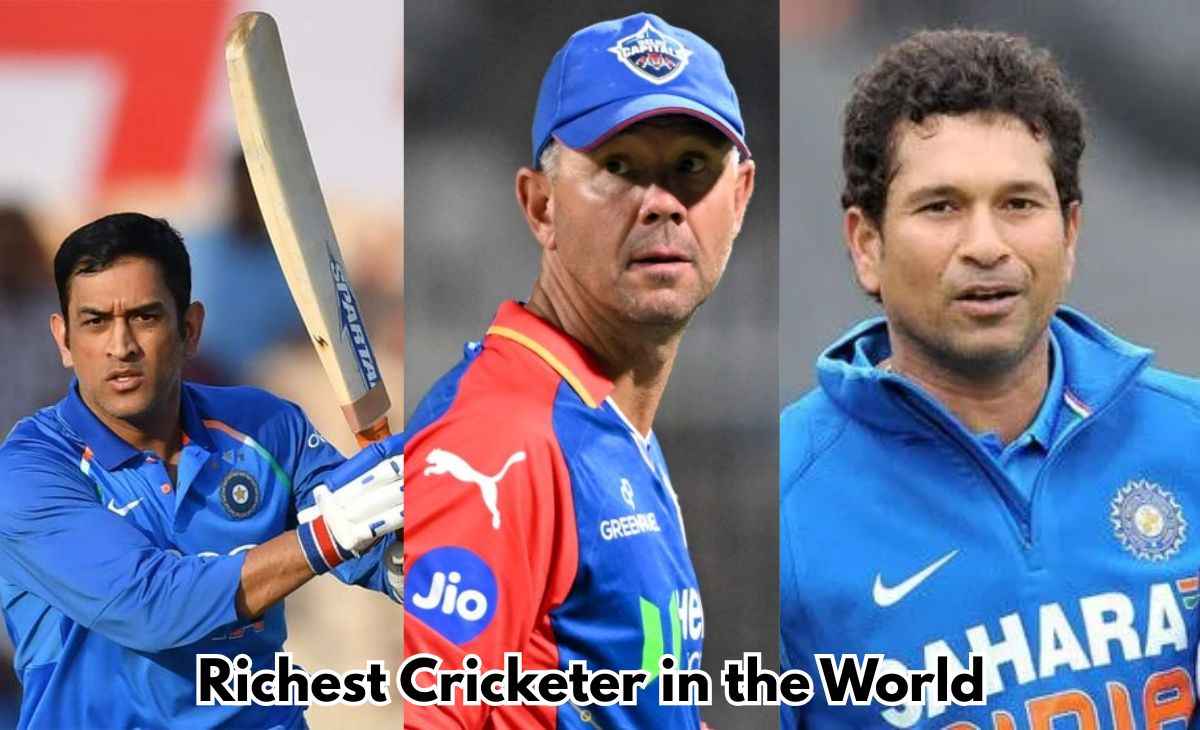
The richest cricketer in the world in 2026 is Sachin Tendulkar, and his financial position stands above every other cricketing figure because he has combined an unmatched on-field legacy with wide-ranging business interests. That’s the short answer.
But the longer answer is far more interesting.
Cricket has undergone a complete financial transformation over the last two decades. The emergence of franchise leagues — headlined by the Indian Premier League — turned good players into millionaires and great players into global brand machines. Forty years ago, even the best cricketers on the planet did not earn enough from the sport to make it their only profession, with England legend Ian Botham representing Yeovil Town and Scunthorpe United in football during cricket’s off-season. That world feels like a different planet compared to where cricket stands today.
Today, top cricketers earn not only from match fees but also through endorsements, investments, and personal brands. The match fee is almost a footnote at this point. What truly separates cricket’s wealthiest from the rest is how they think beyond the boundary rope — into boardrooms, real estate portfolios, and digital empires.
Top 10 Richest Cricketers in the World (2026)
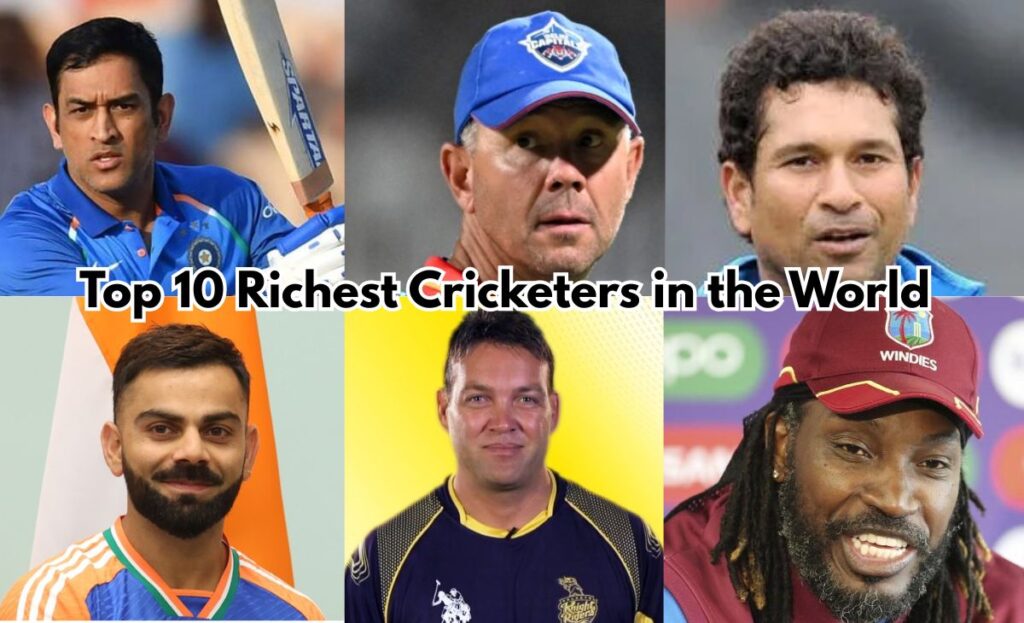
Richest Cricketer in the World: 2026 Wealth Rankings
Before we get into individual profiles, here’s what you need to understand about how cricket wealth is built in 2026. Central contracts and match fees from national cricket boards pay players annual retainers. Franchise leagues like the IPL, Big Bash, The Hundred, SA20, and CPL offer huge salaries. Top players are paid millions to promote sportswear, cars, watches, tech, and beverages. Many cricketers invest in gyms, restaurants, sports academies, startups, and fashion lines. Retired cricketers also earn through commentary, podcasts, interviews, and digital content.
Seven of the top ten richest cricketers in the world are Indian. That’s not a coincidence. India has millions of passionate cricket fans, brand ambassadors in India receive premium pay, and media rights and sponsorship deals are massive. The IPL alone has rewritten what financial success looks like in professional sport.
Read more: Top 10 Most Dangerous Batsmen in the World (2026 Stats)
The Top 10 Wealthiest Players Ranked
| # | Player | Country | Net Worth (USD) | Net Worth (INR) | Status |
|---|---|---|---|---|---|
| 🥇 1 | Sachin Tendulkar | 🇮🇳 India | $170 Million | ₹1,415 Crore | Retired |
| 🥈 2 | MS Dhoni | 🇮🇳 India | $127–$130 Million | ₹1,060–1,085 Crore | Retired |
| 🥉 3 | Virat Kohli | 🇮🇳 India | $125 Million | ₹1,040 Crore | Active |
| 4 | Ricky Ponting | 🇦🇺 Australia | $70–$75 Million | ₹584–625 Crore | Retired |
| 5 | Rohit Sharma | 🇮🇳 India | $55–$75 Million | ₹460–625 Crore | Active |
| 6 | Brian Lara | 🇹🇹 West Indies | $48–$70 Million | ₹400–584 Crore | Retired |
| 7 | Jacques Kallis | 🇿🇦 South Africa | ~$48 Million | ₹400 Crore | Retired |
| 8 | Chris Gayle | 🇯🇲 West Indies | ~$45 Million | ₹375 Crore | Retired |
| 9 | Virender Sehwag | 🇮🇳 India | $40–$55 Million | ₹335–460 Crore | Retired |
| 10 | Shane Watson | 🇦🇺 Australia | ~$40 Million | ₹335 Crore | Retired |
1. Sachin Tendulkar — $170 Million
As of April 2026, the Sachin Tendulkar net worth is estimated at a staggering $170 million, which translates to approximately ₹1,415 crore. This astronomical figure cements his position as the richest cricketer in the world, proving that his innings in the world of business and investment are just as prolific as his career on the pitch.
Here’s what makes Sachin’s story genuinely remarkable — he retired from international cricket in 2013. That’s over a decade ago. And yet, not only has his wealth not shrunk, it has kept climbing. To understand how a retired sportsman maintains such a high valuation, one must look beyond his past match fees. Tendulkar has transitioned into a savvy entrepreneur and angel investor, building a diversified portfolio that spans sports technology, sustainable energy, and luxury real estate.
His brand endorsements include long-term associations with MRF, Adidas, BMW, and Pepsi. He has invested in restaurants, sports academies, and entertainment, and co-owns Kerala Blasters in the Indian Super League. On top of that, he reportedly charges between ₹7 crore and ₹10 crore per day for brand-related shoots and appearances. Retired. Still charging ₹10 crore a day. That tells you everything you need to know about the “God of Cricket.”
2. MS Dhoni — $127–$130 Million
MS Dhoni stands near Kohli financially with a net worth of $130 million. His reserved and thoughtful personality helps him maintain long-running endorsement partnerships across energy drinks, insurance, motorcycles, and sports gear.
Dhoni is one of cricket’s most fascinating financial case studies. He went from a railway ticket collector in Jharkhand to one of the wealthiest sportsmen in Asia. His wealth is driven by IPL earnings, endorsements, and multiple business ventures. Dhoni has invested in fitness brands, sports teams, lifestyle businesses, and agriculture-related projects. His calm leadership image keeps him highly valuable even after retiring from international cricket.
What’s interesting about Dhoni is his authenticity. He doesn’t chase every endorsement. He’s selective, deliberate, and deeply rooted — qualities that paradoxically make brands want him more.
3. Virat Kohli — $125 Million
Virat Kohli is the richest active cricketer in the world in 2025–26. His earnings come from cricket contracts, IPL salary, global endorsements, and successful fashion and fitness brands. Kohli’s massive social media following and strong personal branding have played a major role in building his wealth at a faster pace than most former players.
He co-owns FC Goa in the Indian Super League and has launched ventures such as Chisel gyms, the WROGN fashion line, and the One8 lifestyle brand, as well as taken stakes in Digit Insurance and the World Bowling League. What separates Kohli from other active players is that he doesn’t just attach his name to brands — he builds them. From scratch. With equity.
The Indian star is not only the biggest celebrity in the game but arguably the most famous Indian in the world, and his endorsements reflect that. He has enormous deals with the likes of Puma, Audi, MRF Tyres, and PepsiCo.
4. Ricky Ponting — $70–$75 Million
The former Australian captain, Ricky Ponting, has a net worth of nearly $75 million, and he earns through coaching contracts, commentary positions, ambassadorial work, and investment involvement. He receives a consistent income from his tactical role in franchise cricket, where his leadership experience carries practical value. Ponting works as a cricket analyst and consultant for broadcast networks, and this adds stability to his finances.
Ponting is the quintessential example of post-retirement wealth building done right. He co-founded Ponting Wines and endorses brands like Adidas and Kookaburra. His transition from aggressive Test captain to global cricket consultant has been seamless — and highly profitable.
5. Brian Lara — $48–$70 Million
Brian Lara is West Indian cricket royalty. The man still holds the record for the highest individual score in Test cricket — 400 not out. That kind of legacy doesn’t fade. His earnings come from endorsements, cricket academies, commentary roles, ambassador work, and multiple business ventures. Lara’s legendary status and association with cricket development programs continue to generate long-term income.
Post-retirement, he has amassed wealth through endorsements, real estate investments, and his involvement in the Brian Lara Cricket Academy. Lara is also deeply committed to growing cricket in the Caribbean, which keeps his profile relevant and his brand partnerships active.
6. Rohit Sharma — ~$55–$75 Million
Rohit Sharma’s net worth stands around $75 million, and his financial growth rises consistently because his captaincy achievements have extended his influence. His partnerships include sports gear, consumer technology, beverages, and educational training programs. He earns income from international match fees, cricket board contracts, and top-tier T20 league earnings.
From 2011 to the present, Rohit Sharma has been auctioned for at least ₹9 crore in the IPL and has a number of off-field endorsements. The biggest of those are CEAT Tyres, Boost, and Coca-Cola. As one of India’s most decorated captains, Rohit’s brand value shows no sign of plateauing.
7. Jacques Kallis — ~$48 Million
Jacques Kallis holds a net worth estimated at $48 million. He developed his financial position through national contracts, international league participation, long-term endorsement partnerships, and structured coaching roles. He runs his cricket academy and consulting work to ensure a steady income, and his career has strengthened his value.
Widely regarded as the greatest all-rounder in cricket history, Kallis has converted that reputation into a coaching and consulting career that keeps generating returns. His lifestyle includes luxury vehicles and a villa in Cape Town. Outside of Indian cricketers, he is among the most financially secure players from his generation.
8. Chris Gayle — ~$45 Million
Chris Gayle, the “Universe Boss,” is one of the most entertaining and popular cricketers in the world. His wealth is driven by his long T20 career across global leagues, brand endorsements, lifestyle businesses, and his strong digital presence.
His wealth is bolstered by endorsements, a music career that includes a No. 1 reggae album, and a lavish lifestyle. Gayle’s flamboyant persona extends well beyond cricket into entertainment and hospitality. For someone from the West Indies — a cricket board that historically paid players far less than BCCI-contracted stars — Gayle’s financial story is genuinely inspirational. He leveraged pure personality and T20 brilliance into a global financial brand.
9. Virender Sehwag — ~$40–$55 Million
Virender Sehwag has built significant wealth through commentary, media involvement, and educational institutions. His post-retirement journey includes successful academies, brand partnerships, and digital content platforms. He remains a popular figure due to his sharp analysis, humorous personality, and strong online presence.
Sehwag’s wit is his superpower off the field. His social media presence — particularly on Twitter — is genuinely followed by millions, which makes him a highly marketable personality for brands that want reach and authenticity without the formality. His endorsements include partnerships with companies such as Adidas and Samsung. Not bad for someone who famously never overthought anything.
10. Shane Watson — ~$40 Million
Shane Watson’s net worth stands at $40 million, with earnings from coaching, commentary, and his growing fitness business. Watson was a devastating all-rounder during his playing days and has channeled that same discipline into his post-retirement career. His fitness-focused businesses have found a particularly loyal audience, and his commentary and analyst work keeps him tightly connected to the global cricket ecosystem.
Net Worth Comparison Across Eras
One of the most fascinating aspects of cricket wealth is how dramatically it has shifted across generations. The gap between a cricketer from 2000 and one from 2026 isn’t measured in percentages — it’s measured in entirely different financial universes.
2010: The Endorsement Era
By 2010, Indian cricketers had already started commanding serious endorsement money, driven almost entirely by the explosion of television viewership and a growing Indian middle class hungry for aspirational brands. Sachin Tendulkar was already the wealthiest cricketer in the world at this point, his deals with MRF, Pepsi, and Adidas making him not just a sportsman but a marketing phenomenon. The IPL had just launched in 2008 and was still finding its financial footing. Match fees remained modest compared to what was coming, and most players outside India earned just enough to live comfortably — not to build empires.
2020: The IPL & Digital Explosion
By 2020, the IPL media rights boom transformed cricketers into multimillionaires overnight. This era saw the rise of the athlete-investor. Players like MS Dhoni began diversifying into organic farming, fitness chains, and football team ownership. This period also marked the birth of social media monetisation, where a single post began to rival the value of a match fee.
The global T20 calendar also expanded dramatically, giving top players opportunities to earn premium fees across multiple leagues every single year. A player like Virat Kohli could earn from international cricket, the IPL, digital brand deals, and his own equity-backed businesses — all simultaneously. The concept of cricket wealth was being redefined in real time.
2026: The Business Empire & Legacy Era
In 2026, the leaderboard has been reshaped by inheritance and equity. The self-made titans — Sachin Tendulkar ($170M) remains the wealthiest retired player through deep equity in Indian startups. Virat Kohli has now officially established himself firmly in the top three through total net worth, driven by business ownership rather than match salaries alone.
What distinguishes 2026 from any previous era is the sheer sophistication of how cricketers manage and grow their wealth. These aren’t athletes who sign endorsement cheques and call it a day. They are equity holders, startup founders, franchise co-owners, and global brand architects. The richest cricketers today are running financial portfolios that would make most MBAs envious.
Why Indian Cricketers Dominate the Wealth Rankings
This deserves its own spotlight. The primary reason Indian cricketers are so much wealthier than others is the massive consumer market in India, which allows players to sign endorsement deals that reach over a billion people. Additionally, the IPL provides the highest salaries in the sport, and the BCCI is the wealthiest cricket board, which ensures that Indian players receive significantly higher match fees and retainer contracts.
Think about it from a brand’s perspective. If you want to market a product to one of the world’s largest and fastest-growing consumer economies, you need a face that resonates with a billion people. Sachin, Dhoni, Kohli, and Rohit are those faces. No other cricket board can replicate that kind of commercial infrastructure — not even close.
The Rising Stars Climbing the Wealth Ladder Fast
The top 10 of 2026 won’t look the same in 2030. A new wave of players is already accumulating serious wealth. In 2024, Pat Cummins was acquired by the Sunrisers Hyderabad for a record-breaking INR 20.50 crore (£1.6 million) and also has around 15 endorsement deals, most notably with Gillette, Hublot, and New Balance. Away from cricket, Cummins has built a real estate portfolio across New South Wales.
Australian all-rounder Cameron Green went for £2.09 million in the IPL auction ahead of the 2026 campaign, making him the most expensive overseas player in the history of the competition. Rashid Khan, the Afghan leg-spin genius, is another name that will almost certainly crack the top 10 within this decade. His base salary comes from his Afghanistan contract, but he has a huge number of endorsements which boost his income from franchise cricket across multiple leagues worldwide.
Conclusion
The question of who is the richest cricketer in the world in 2026 has a clear answer: Sachin Tendulkar, with an estimated net worth of $170 million. But the bigger story is how cricket wealth has evolved into something far more complex and inspiring than just match salaries.
From Sachin’s diversified investment portfolio to Dhoni’s organic farming ventures, from Kohli’s fashion empires to Gayle’s reggae albums and lifestyle brands — the richest cricketers in the world are proof that the real game starts after you leave the field. They turned centuries into companies. They turned endorsements into equity. They turned a gentleman’s sport into a generational wealth machine.
If you’re a fan, these numbers are worth celebrating. If you’re a young cricketer somewhere in a backyard net right now, they’re worth studying.
FAQs
Who is the richest cricketer in the world in 2026?
Sachin Tendulkar leads with an estimated $170 million (₹1,415 crore) net worth, followed by MS Dhoni at $127M and Virat Kohli at $125M.
Who is the richest active cricketer in 2026?
Virat Kohli is currently the richest active player in the world. Although retired legends like Tendulkar have higher total net worths, Kohli earns the most on an annual basis through his BCCI contract and his position as one of the highest-paid athletes on Instagram globally.
Who is richer — MS Dhoni or Virat Kohli?
MS Dhoni at $127M edges out Virat Kohli at $125M in 2026, though the gap is razor-thin.
Who is the richest female cricketer in the world?
Ellyse Perry leads female cricketers with an estimated net worth of $14 million.
How do retired cricketers keep growing their wealth?
Most retired stars transition into business owners and investors. They earn through equity in tech startups and sports franchises, along with high-paying coaching roles in global T20 leagues. Commentary contracts and long-term brand ambassadorships also provide a steady stream of passive income that often exceeds their former match salaries.
How much does a top IPL player earn per season?
Around $2–3 million from salary alone, plus additional income from endorsements secured during the tournament window.
